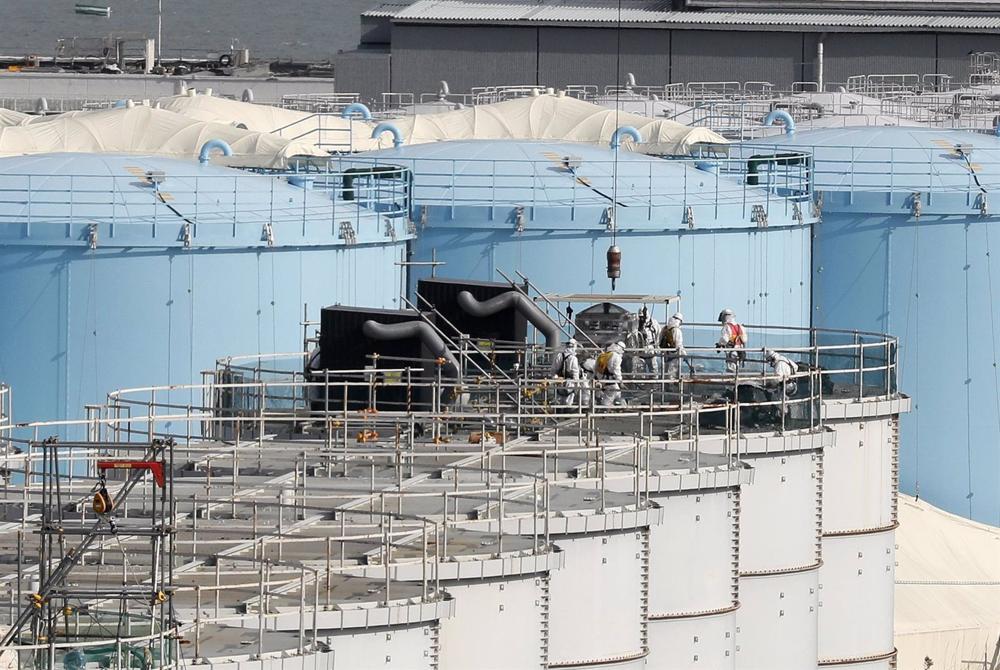
The Government of Japan has agreed this Thursday to extend the useful life of nuclear reactors beyond the current limit, which stands at 60 years, in a context of global energy crisis that, for the Asian country, has also meant turning the page on the cuts adopted after the Fukushima disaster in 2011.
At that time, the damage suffered by the Fukushima plant following an earthquake and tsunami led the authorities to pause their commitment to atomic energy, with specific commitments not to build new reactors or replace those that were becoming obsolete.
Now, it has decided to bet again on this industry, even with a view to having new generation reactors in the long term, as part of a package of measures with which the government aims to reduce polluting emissions while guaranteeing supply after the generalized sanctions against Russia for the offensive launched on Ukraine.
In the last fiscal year, only 13.4 percent of the energy consumed in Japan was Japan’s own and it maintains 2050 as the target year for completing decarbonization and reaching emission neutrality, reports the Kiodo news agency.
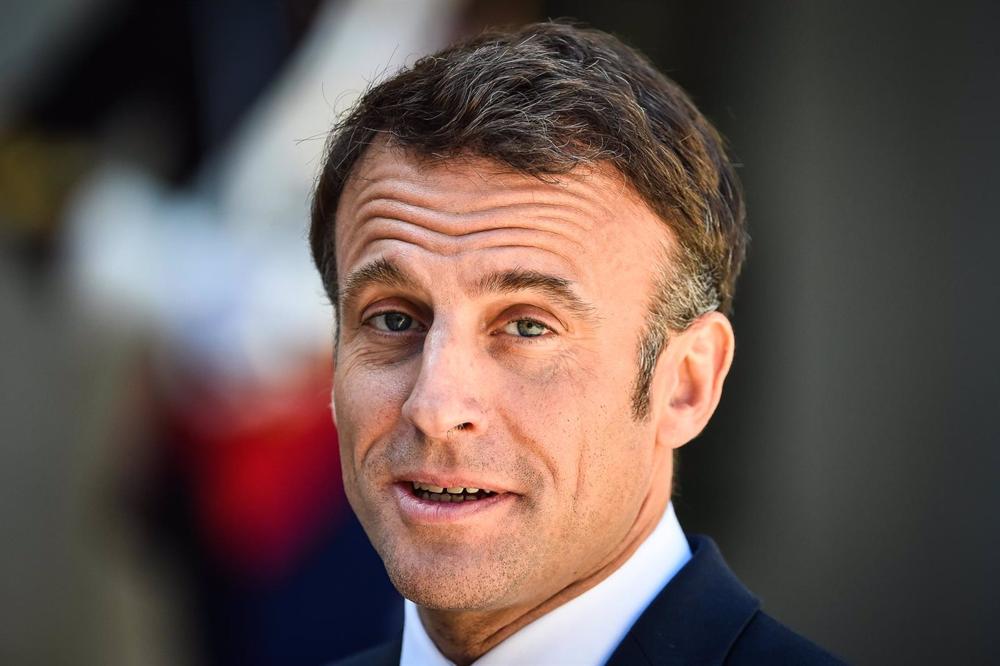
Prime Minister Fumio Kishida has announced that the reform will come to Parliament when the session starts as early as 2023 and has pledged to address within these changes «the fundamental problem of radioactive waste».
Source: (EUROPA PRESS)