The United Nations confirmed Friday the closure of two more bases of the former Mozambican National Resistance (RENAMO) rebel group in Zambezia province (north) and highlighted the «rapid progress» in the framework of disarmament and reintegration following the 2019 peace agreement.
The UN Secretary General’s personal envoy for Mozambique, Mirko Manzoni, has indicated in a statement that the bases were in the districts of Mocuba and Sabe and has applauded these advances, with the demobilization of more than 800 ex-combatants during the last month.
He stressed that these people «have embarked on their transition to civilian life» and emphasized that «this brings the total number of demobilized people to nearly 90 percent of the beneficiaries of the Disarmament, Demobilization and Reintegration (DDR) process contemplated by the peace agreement.
Manzoni, who emphasized that these advances represent «a significant success», applauded the «continued collaboration and commitment to dialogue shown by the Government (of Mozambique) and RENAMO» and argued that it represents progress «towards a definitive peace and national reconciliation».
«As we approach the end of the demobilization and disarmament phase, we are committed to ensuring that the remaining combatants are contacted and supported in their journey towards reintegration,» he said, before stressing that this «is crucial for the sustainability of the process.»
«We call on all actors to play a positive role in advancing peace in Mozambique. The UN remains committed to supporting Mozambique as it continues on its path towards a prosperous future of sustainable peace and national reconciliation,» Manzoni reiterated.
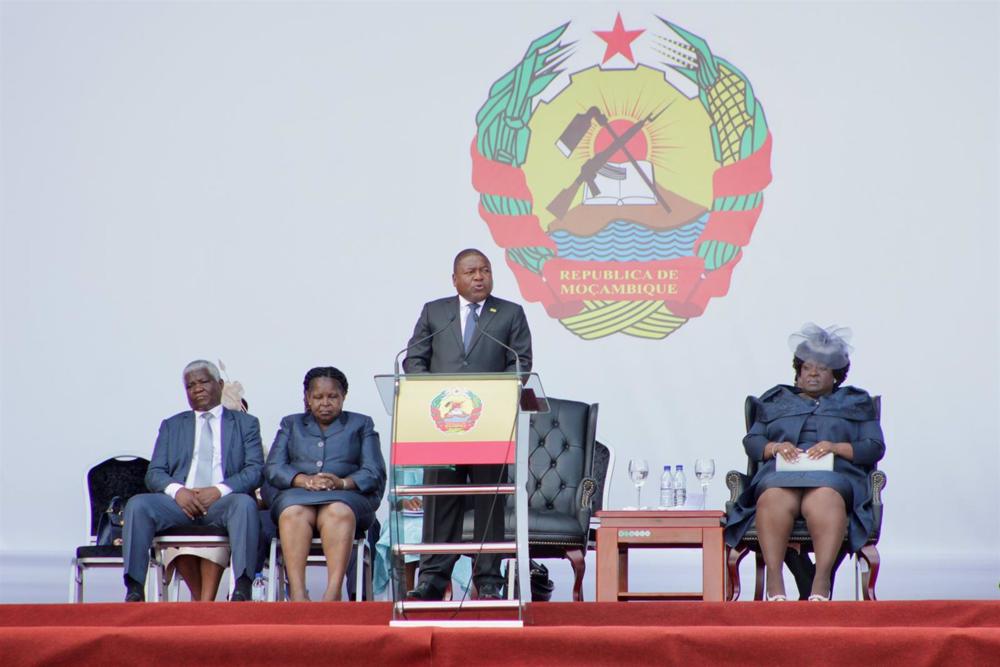
The peace agreement was signed in August 2019 by Mozambican President Filipe Nyusi and RENAMO leader Ossufo Momade during a ceremony in Maputo attended by several members of the Executive, party leaders and African diplomats.
RENAMO emerged in 1975 as an anti-communist rebel group created and supported by the secret services of the disappeared Rhodesia (today’s Zimbabwe) in response to the shelter provided by Mozambique to the guerrillas fighting against the white minority government in the country. It was also supported by Apartheid South Africa, which provided funds to the rebel group.
The governmental Front for the Liberation of Mozambique (FRELIMO), founded in 1962 and Marxist-Leninist in nature, has governed the country since its independence from Portugal in 1975, and the current leader of the party, Nyusi, is also the country’s president.