The High Representative of the European Union for Foreign Policy, Josep Borrell, said Friday that he hopes that Serbia and Kosovo will consider the proposal of France and Germany to normalize their relations and that «progress» will be made in the process of negotiations that the EU has been leading for a decade with few concrete results.
«In the coming days we will see what their response to this proposal is and I hope that it represents a breakthrough and a step forward in this process,» he said in statements from Munster, Germany, where the G7 foreign ministers’ meeting is being held.
France and Germany put last September an initiative on the table for «an immediate and definitive solution» to the dispute over Kosovo, a ‘de facto’ independent territory after its separation from Serbia in 2008, but which several EU member states, including Spain, do not recognize.
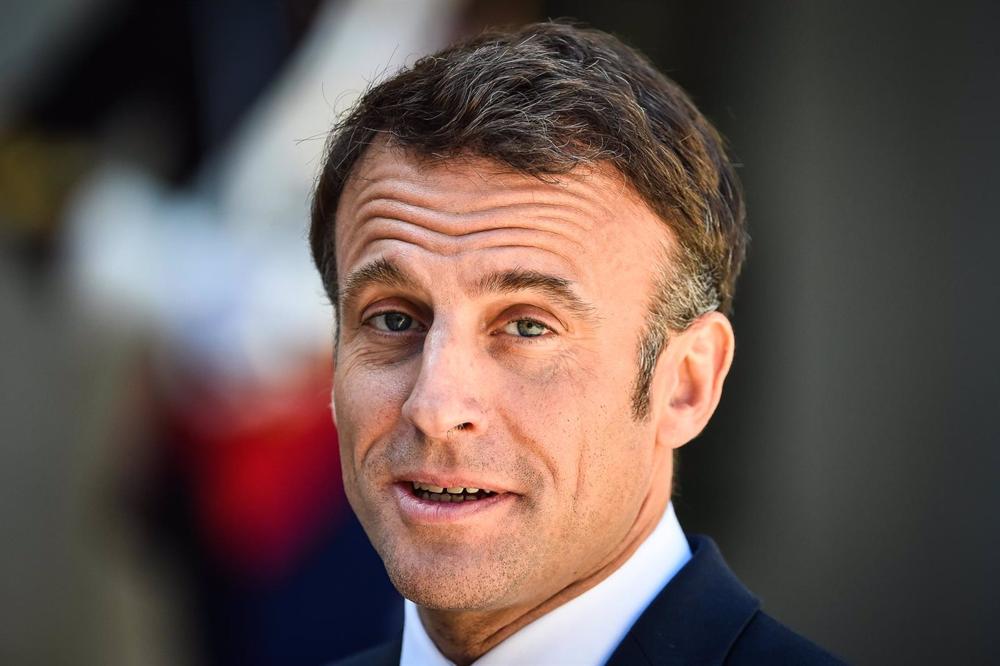
As explained by Borrell, the letter from the French President, Emmanuel Macron, and the German Chancellor, Olaf Scholz, follows the EU’s work over the summer to «overcome the mood of permanent crisis» between Belgrade and Pristina and achieve the «comprehensive normalization of their relations». «I am very grateful for the support of Germany and France for this proposal,» he stressed.
At the moment the content of the proposal and whether it envisages any formula for mutual recognition, as requested by Kosovo, has not been made known. The initiative seeks to revitalize the EU-facilitated dialogue between Belgrade and Pristina, which has failed to make significant progress despite having been underway for a decade.
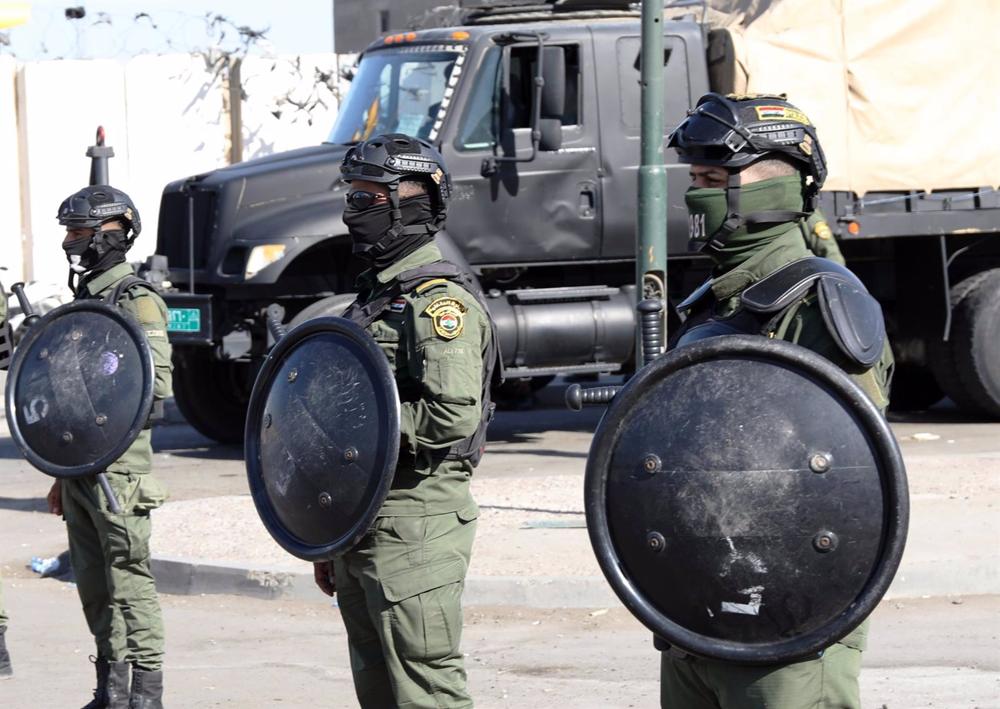
It also responds to the heightened tensions in northern Kosovo during the summer over the rule imposing Kosovar license plates and documents on citizens of the Serb community. At the time, the EU made it clear that the open conflict affects European security and poses a huge risk in the midst of Russia’s aggression against Ukraine.
Serbia, a historical ally of Moscow, is the only Balkan country that has not aligned itself with the European sanctions for the invasion of Ukraine, although in the context of the war it has compared the denunciation of the violation of Ukrainian territorial integrity with the case of Kosovo, which declared its independence after a referendum in 2008 supported by the United States and the majority of Western countries.