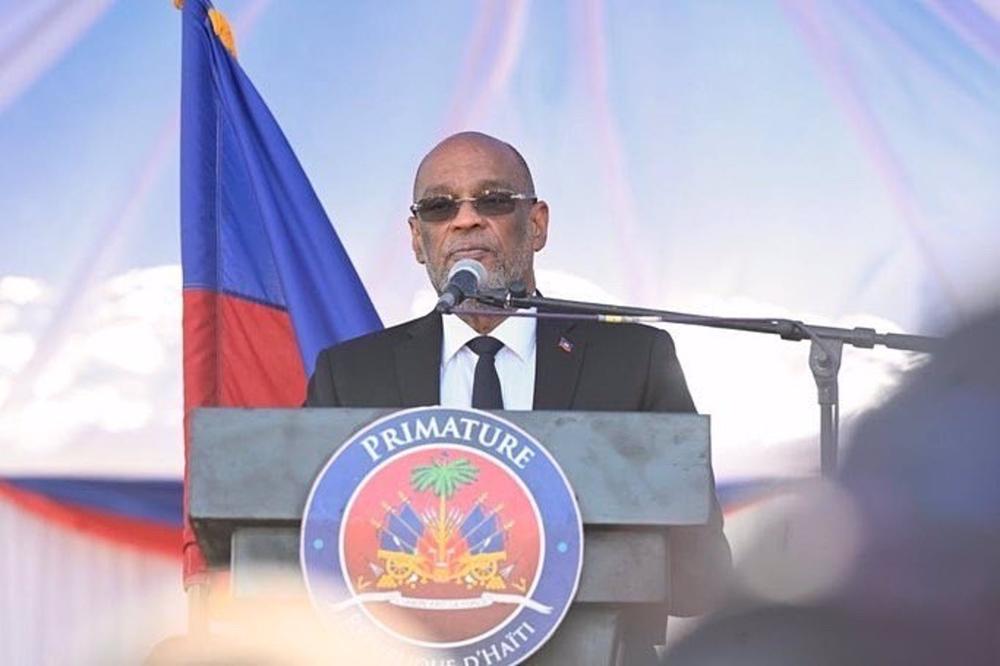
The Prime Minister of Haiti, Ariel Henry, has announced that in the coming days the country will begin to receive financial support from the International Monetary Fund (IMF) to respond to the food emergency facing the Caribbean state.
«In the next few days we should begin to receive financial support under a program called ‘Food Shock Window’,» the leader said about the aid, which would be aimed at «helping the countries most affected by the consequences of the conflict between Russia and Ukraine.»
According to the leader of the Executive, Haiti is one of the first countries that will benefit from this program – called Food Shock Window – and will allow it to implement «a series of social protection actions», he detailed in a message via Twitter.
In this sense, the IMF program grants financial support for a period of one year to those countries living under a food emergency due to an increase in their food import bill or a crisis in their grain exports, a situation aggravated in the last year by the Russian invasion in Ukraine.
As reported Friday by the Food and Agriculture Organization of the United Nations (FAO), world food prices have fallen for the ninth consecutive month in December, but many commodities are still at record levels.
«It is important to remain vigilant and maintain a strong focus on mitigating global food insecurity, as world food prices remain at elevated levels, with many commodities near record highs, and with rice prices on the rise, and still many risks associated with future supplies,» said FAO Chief Economist Maximo Torero.
World wheat and maize prices reached record highs last year. So did the average value of vegetable oils, while the individual indices for dairy and meat prices similarly marked their highest full-year levels since 1990.
Source: (EUROPA PRESS)